Polycarbonate film is more versatile than you might expect. Its combination of durability, clarity, and performance makes it well suited for a wide range of uses, from automotive interiors and electronics to labels, graphic overlays, and medical applications. With such a broad range of properties and capabilities, polycarbonate film is utilized across many different industries.
Here are the six questions we hear most often:
What is polycarbonate film?
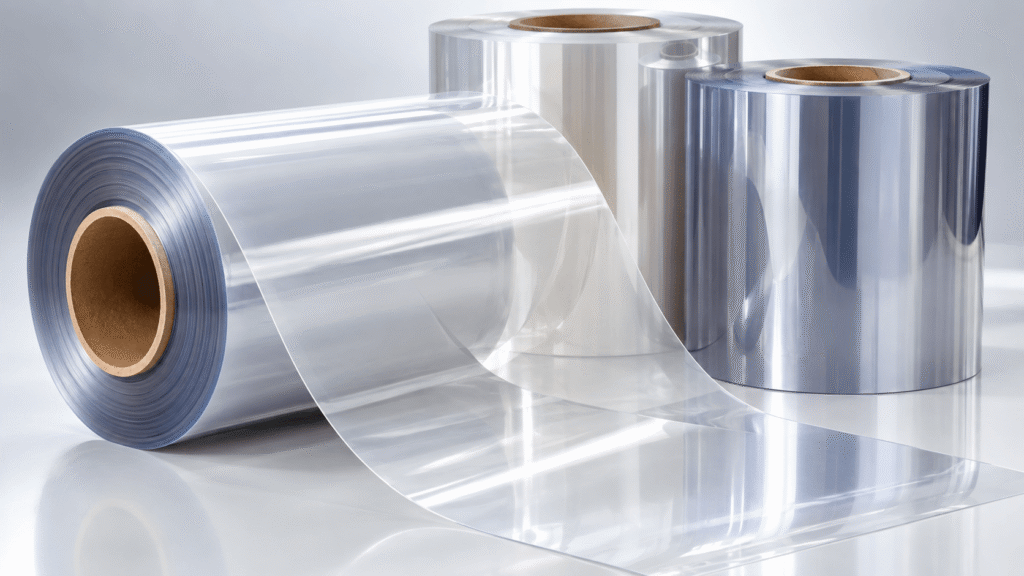
Polycarbonate film is a thin thermoplastic that is known for its toughness, clarity, and resistance to impact. It is also easy to work with, which makes it a solid choice for many applications.
Polycarbonate films come in a range of colors, textures, and specialty grades, depending on what the finished part needs to do. Some grades are made for UV exposure, and others can be designed for things like flame or chemical resistance.
PolymerFilms carries polycarbonate film from 1 mil to 30 mil.
What is polycarbonate film used for?
Graphic overlays
Labels
Automotive parts
Displays
Printed electronics
ID cards
Medical applications
Outdoor graphics.
A big part of polycarbonate’s appeal is its ability to withstand repeated use and everyday wear while maintaining its appearance and performance. And because there are so many different grades available, the film can be matched more closely to where and how the finished part will actually be used.
How strong is polycarbonate film?
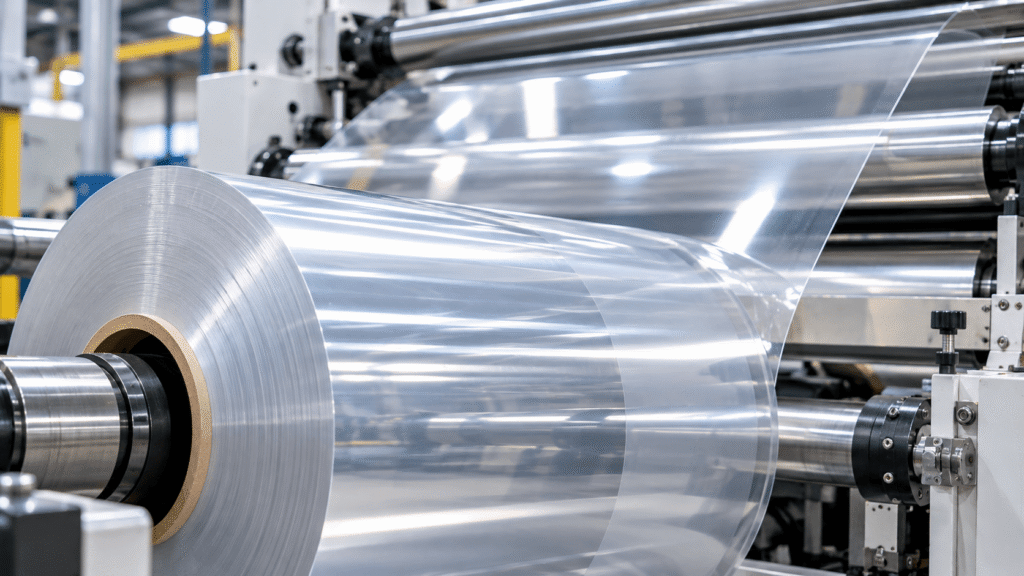
Polycarbonate film is very strong, and its impact resistance is one of the main reasons people choose polycarbonate for their products. Did you know it can be about 20 times stronger than acrylic and has more than 200 times the impact strength of glass?
However, this doesn’t make every polycarbonate film right for every tough environment. Scratching, chemicals, and outdoor exposure can bring other factors into play, which means a specialty grade polycarbonate may make more sense.
What temperatures can polycarbonate film handle?
It commonly handles temperatures ranging from -40°F to 248°F (-40°C to 120°C). The exact range depends on the grade.
It also tends to hold its shape as temperatures change, which is especially important with printed or converted parts where any small shifts in size can create problems for the end product.
If the film will be exposed to high heat for long periods, be sure to check the specifications for that particular grade.
Can polycarbonate film be used outdoors?
Yes, polycarbonate can be used outdoors. However, for long-term outdoor use, you’ll usually want a polycarbonate film made to resist UV exposure.
Sunlight isn’t the only thing to think about. An outdoor part might also deal with rain, cleaning chemicals, dirt or regular wear. If the surface is going to take a beating, a hard-coated polycarbonate film may be worth considering.
Can polycarbonate film be printed, cut, and formed?
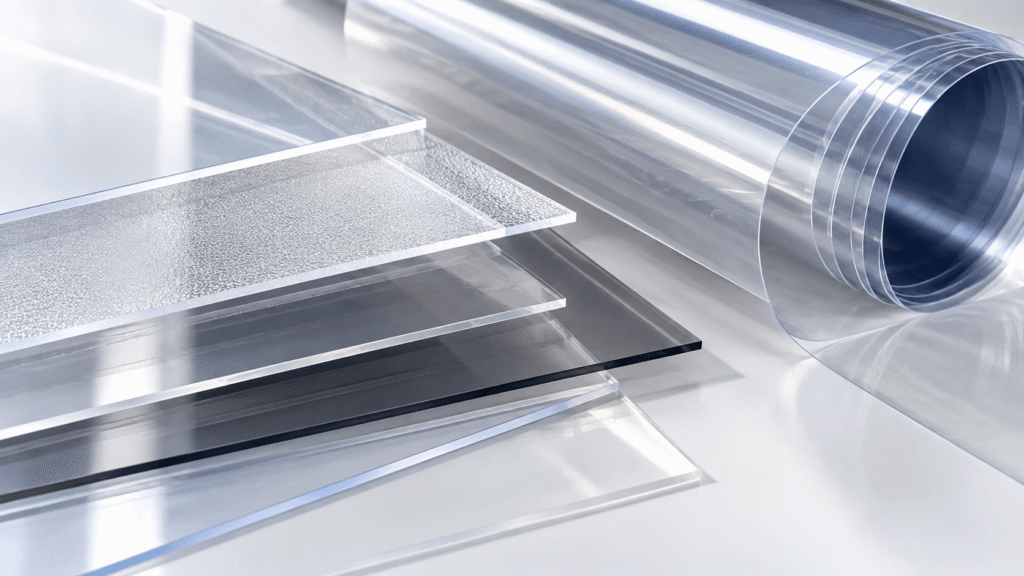
Yes, it can be printed, die-cut, embossed, thermoformed, slit, and cut into sheets.
PolymerFilms can also slit, sheet, guillotine and anneal polycarbonate film, so it can arrive in a size and format that works better for your production process.
Finding the Right Polycarbonate Film
There’s no single option that works for every job. What matters is what you’re asking it to do.
Questions your film supplier will ask about your project include:
Will it be outside?
Does it need to stand up to heat or chemicals?
Will it be printed or formed?
Does the surface need extra protection from scratches?
Those details usually point you toward the right grade pretty quickly.
PolymerFilms supplies LEXAN™ polycarbonate films from SABIC in different gauges, colors, textures, finishes and specialty grades.
Working on a project that might need polycarbonate film? Contact PolymerFilms or request a sample. Our team will help you narrow down the grade and gauge that make sense for your application.
Recent Posts
Help us spread the word by sharing with the community!